




All about cashmere
Cashmere is one of the most popular natural fibers for clothing and accessories for cooler seasons. Renowned for its softness, fineness, and warmth, it captivates with its unique comfort and the sensation of lightness it provides when worn. This animal-derived material remains one of the most sought-after in the textile world today, both for knitwear and everyday accessories.
What is cashmere?
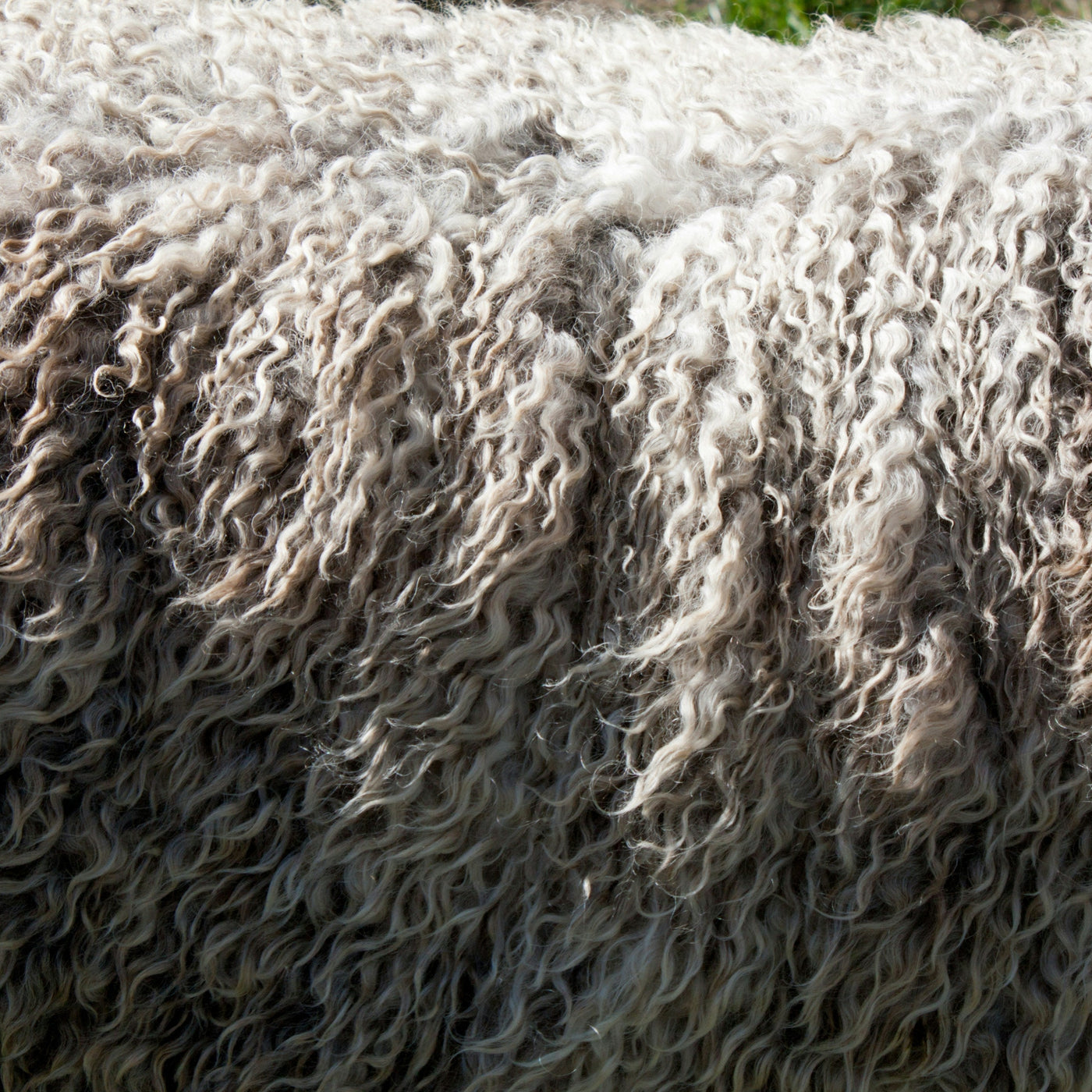
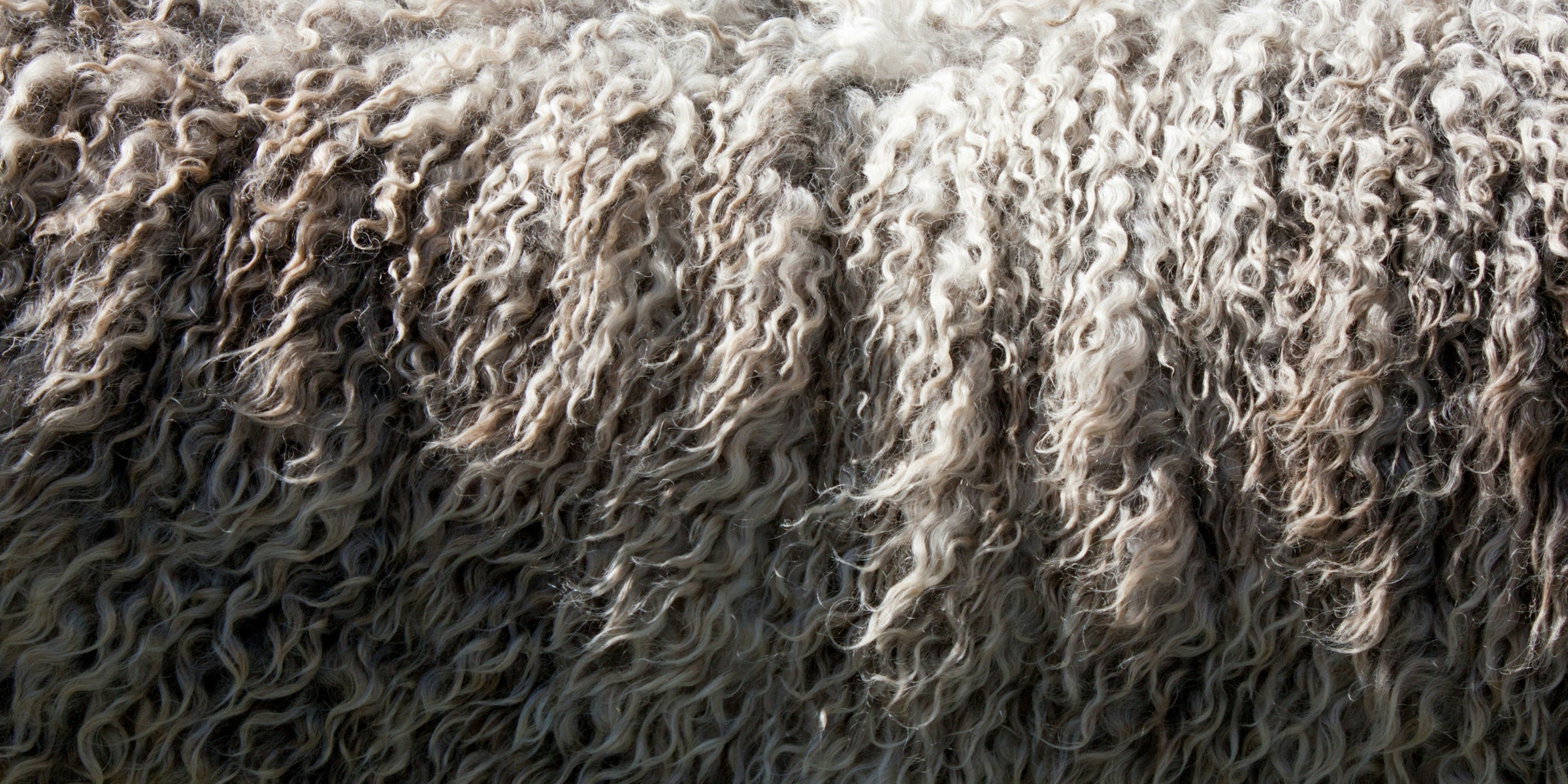
Cashmere is a natural animal fiber derived from the fine down of the cashmere goat, often referred to as Capra Hircus. Unlike the coarser outer hair, cashmere comes from the soft, insulating undercoat that the animal develops to protect itself from extreme climatic conditions. This fineness explains its softness, lightness, and highly prized thermal properties.
Cashmere is often associated with a noble material because it combines remarkable comfort qualities with naturally limited production. Its fiber can reach a very high fineness, often around 13 to 16 microns for the finest qualities, giving it a supple and enveloping feel.
Where does cashmere come from?
Cashmere takes its name from the Kashmir region, located between India, Pakistan, and China, where this material historically gained its reputation. Today, cashmere goats are primarily raised in mountainous and continental areas of Asia, particularly in Mongolia and some neighboring regions, where temperature variations promote the development of very fine and highly insulating down.
These natural conditions play a direct role in the quality of the fiber. The harsher the environment, the more the animal develops a protective undercoat capable of trapping air and retaining warmth. This is one of the reasons why cashmere is so prized in the manufacture of winter clothing and comfortable knitwear.
How is cashmere made?
Cashmere is harvested in spring, during the goats' natural shedding season. Breeders then collect the down by combing, separating this fine fiber from the thicker outer hair. After collection, the down is sorted, cleaned, and combed before being spun into textile yarn.
This production remains rare, as a goat provides only a limited amount of usable down each year. Some sources suggest only a few hundred grams of raw material, with an even smaller portion genuinely usable after sorting. This scarcity contributes to cashmere's value and explains why it is considered an exceptional fiber.
Why is cashmere warm?
Cashmere is renowned for its insulating properties. Its fibrous structure allows it to trap air around the body, creating a natural thermal barrier. It thus offers a sensation of warmth without requiring a very thick knit, making it particularly pleasant to wear when temperatures drop.
Cashmere is also often described as a thermoregulating fiber. In other words, it helps maintain a more stable temperature in contact with the body, limiting feelings of discomfort related to cold, as well as certain thermal variations. This capacity explains why it is appreciated in both winter clothing and finer knitwear.
What are the properties of cashmere?
Cashmere is primarily sought after for three major qualities: warmth, softness, and lightness. Its fineness gives it a supple and comfortable feel, particularly appreciated by those sensitive to rougher materials. Its structure allows it to maintain a good level of warmth while remaining light when worn.
Beyond immediate comfort, cashmere can also offer good durability when made from quality yarn and properly cared for. Although it is a delicate fiber, it should not be reduced to an inherently fragile material. Its durability primarily depends on the quality of the fiber, spinning, knitting, and the care taken in its maintenance.
Why choose cashmere socks?
Cashmere is particularly interesting for socks intended for cooler periods. Its insulating power helps retain warmth, while its softness improves wearing comfort. For feet sensitive to cold, it is a pleasant material because it provides an enveloping sensation without creating excessive bulk.
In a pair of socks, cashmere can also be combined with other fibers to balance its qualities. This compositional logic allows for maintaining its comfort while adapting the knit to more regular use and increased durability needs. This approach is particularly relevant when seeking warmth, softness, and resistance simultaneously. The latter idea here stems from a coherent textile deduction based on fiber properties, rather than a universal rule.
How to care for cashmere without damaging it?
Cashmere requires delicate care. To preserve the softness of the fiber, it is generally recommended to prefer cold or very low-temperature washing, with a wool or delicate program and an adapted detergent. Fabric softener is not recommended, nor is hot water, which can damage or felt the material.
After washing, it is best to dry cashmere flat, without hanging it, to preserve its shape. Tumble drying should be avoided. To limit wear, it is also recommended to reduce repeated rubbing and to store cashmere items carefully. These simple gestures help extend the life of the knitwear and maintain its original feel longer.
Why combine cashmere with cotton and silk?
Cashmere is sometimes blended with other natural fibers to balance its qualities. Cotton can provide more durability, strength, and stability over time, while silk is appreciated for its fineness, softness, and fluid feel. In a textile composition, this association allows for retaining the comfort of cashmere while reinforcing certain daily uses. This interpretation here stems from a coherent textile interpretation based on the properties generally attributed to these materials.
In the case of socks, the combination of cotton, cashmere, and silk can thus offer a good balance between warmth, softness, fineness, and resistance. Cashmere contributes to thermal comfort, silk provides a smoother and lighter feel, while cotton helps structure the knit and improve its durability in use.


